



OEM vs ODM Hair Styling Appliances: Which Is Right for Your Brand?
By hqt
Aug 24, 2026


When developing a new hair styling product, one of the first decisions is whether to use an OEM or ODM manufacturing model.
Both approaches can produce branded hair dryers, straighteners, curling tools, heated combs, and hot air stylers, but they serve different business needs.
The correct choice depends on how quickly you want to launch, how different the product needs to be, how much development work is required, and how much investment you want to place into tooling and engineering.Your Attractive Heading
What Is OEM for Hair Styling Appliances?
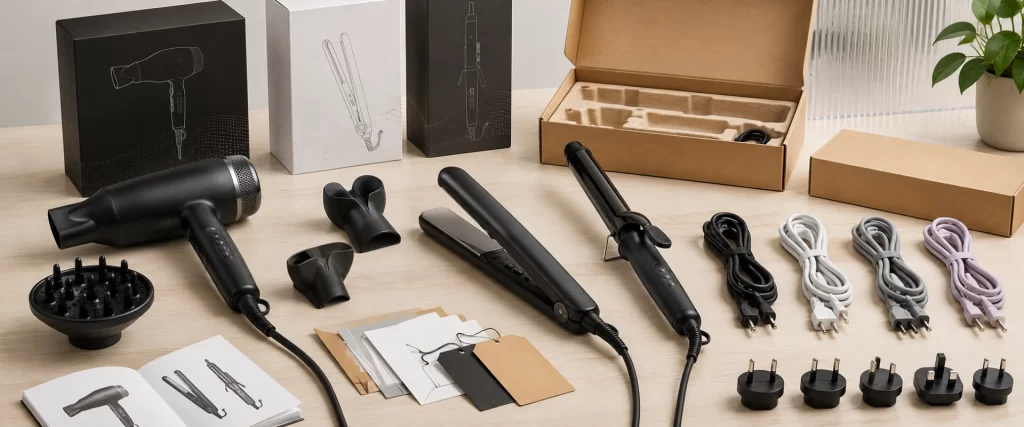
In a typical OEM project, the buyer begins with an existing product platform.
The manufacturer already has the basic structure and tooling, while the brand selects suitable customization based on the available model.
This may include product colors, surface finishes, logo application, packaging, manuals, voltage, plug type, cord configuration, accessories, or selected functions.
For brands entering a new category, this approach can reduce development complexity because the fundamental product platform already exists.
KangRoad describes its OEM route as using existing product designs with customization around branding, packaging, electrical configuration, and related product requirements.
When Does OEM Make More Sense?
OEM is usually worth considering when speed and manageable development risk are priorities.
A new beauty brand may want to test a straightener before investing in exclusive tooling. An e-commerce seller may need a differentiated hair dryer through color, attachments, packaging, and branding rather than a completely new internal structure.
Likewise, a distributor expanding into another market may primarily need a suitable plug, voltage configuration, packaging language, and product presentation.
The key is selecting an existing platform that already fits the intended user and market position.
Brands exploring styling categories can compare KangRoad’s Hair Straighteners Series and Hair Curlers Series before determining how much customization is actually necessary.
What Is ODM for Hair Styling Appliances?
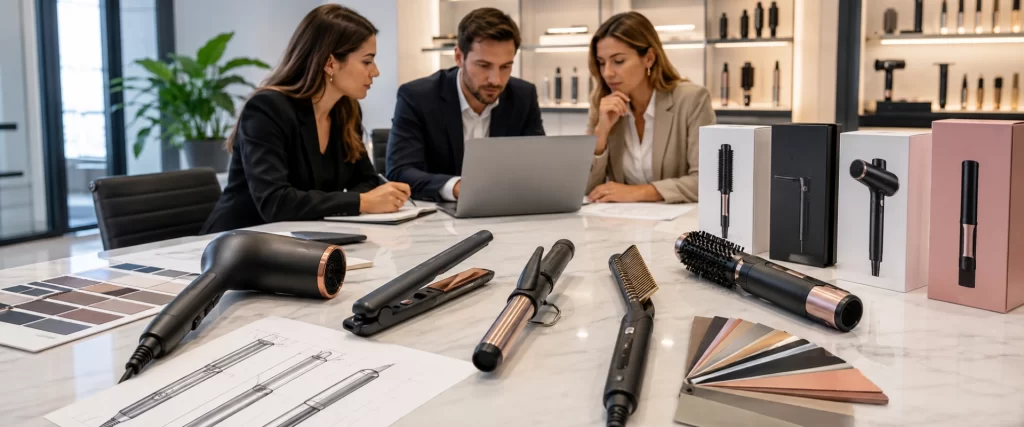
ODM becomes more relevant when an existing platform cannot deliver the desired product identity or function.
A project may require a new housing shape, different ergonomics, an exclusive structural concept, unique component arrangement, revised control interface, special functions, or completely new tooling.
In this case, development normally moves through engineering evaluation, 3D design, tooling, prototype or mold samples, testing, revisions, approval, and production preparation.
KangRoad’s current ODM process includes technical feasibility evaluation, 3D design, mold development, T1/T2 samples, product revisions, approval, and subsequent mass production.
ODM therefore provides greater differentiation, but it also requires more decisions before production begins.
OEM vs ODM: The Main Difference Is Development Depth
The choice should not simply be based on which term sounds more professional.
OEM focuses on adapting an existing platform to the brand and market.
ODM goes deeper into the product itself.
If changing branding, color, packaging, plug type, or selected options is enough to create the desired offer, new tooling may add unnecessary cost and development time.
If the competitive advantage depends on product shape, ergonomics, structure, or a function that existing models cannot support, ODM may be the more appropriate route.
Think About Your Brand Stage
A startup and an established appliance brand may approach development very differently.
A new brand often needs to confirm demand before committing significant resources to tooling. Starting with one or two carefully selected OEM products can provide a more controlled way to establish the collection.
An established brand with defined customer data and clearer product requirements may be more prepared to invest in an exclusive ODM platform.
KangRoad’s private label approach supports both routes: brands can start from an existing platform or move toward deeper customization when stronger differentiation is required.
You can see this approach in the Private Label Hair Styling Products solution.
Do Not Ignore Manufacturing After Development
A good concept still needs to move successfully into production.
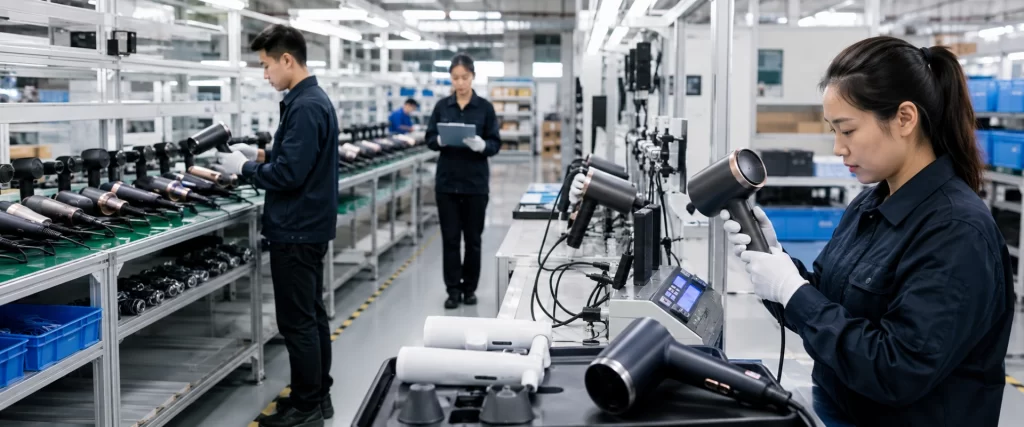
Whether the project is OEM or ODM, buyers should confirm how the factory handles incoming materials, assembly, product testing, appearance inspection, packaging, and final approval standards.
For a new-mold ODM project, this transition is particularly important because the product is moving from engineering samples into repeatable mass manufacturing for the first time.
KangRoad integrates product development with production, testing, and quality control within its manufacturing workflow.
More information is available on the Manufacturing Capability page.
Frequently Asked Questions
Is OEM always cheaper than ODM?
OEM generally requires less new product development because it uses an existing platform. Actual project cost still depends on the product, customization, packaging, order quantity, and market requirements.
Does ODM always require a new mold?
For deeply customized appliance designs, new tooling is often required. However, the exact development route depends on how much of the existing structure can be retained.
Can an OEM product still look different from competitors?
Yes. Appearance, colors, finishes, branding, accessories, packaging, and selected configurations can create meaningful differentiation even when the core platform already exists.
Which model is better for a new beauty brand?
For many new brands, an existing-platform OEM project can provide a practical starting point. ODM becomes more attractive when the brand has clearer demand and requires stronger product exclusivity.
Can a brand start with OEM and move to ODM later?
Yes. A brand can begin with existing products and later develop more exclusive products as its market knowledge, sales volume, and product strategy become clearer.
Choose the Development Model Around the Product
There is no universally better choice between OEM and ODM.
The better route is the one that matches your launch schedule, target market, level of differentiation, available investment, and long-term product strategy.
Before requesting a quotation, define what genuinely needs to be unique. That makes it much easier for the manufacturer to recommend an efficient development route.
Share on Social:


